The Difference Between Being Alone and Being Lonely
The Difference Between Being Alone and Being Lonely
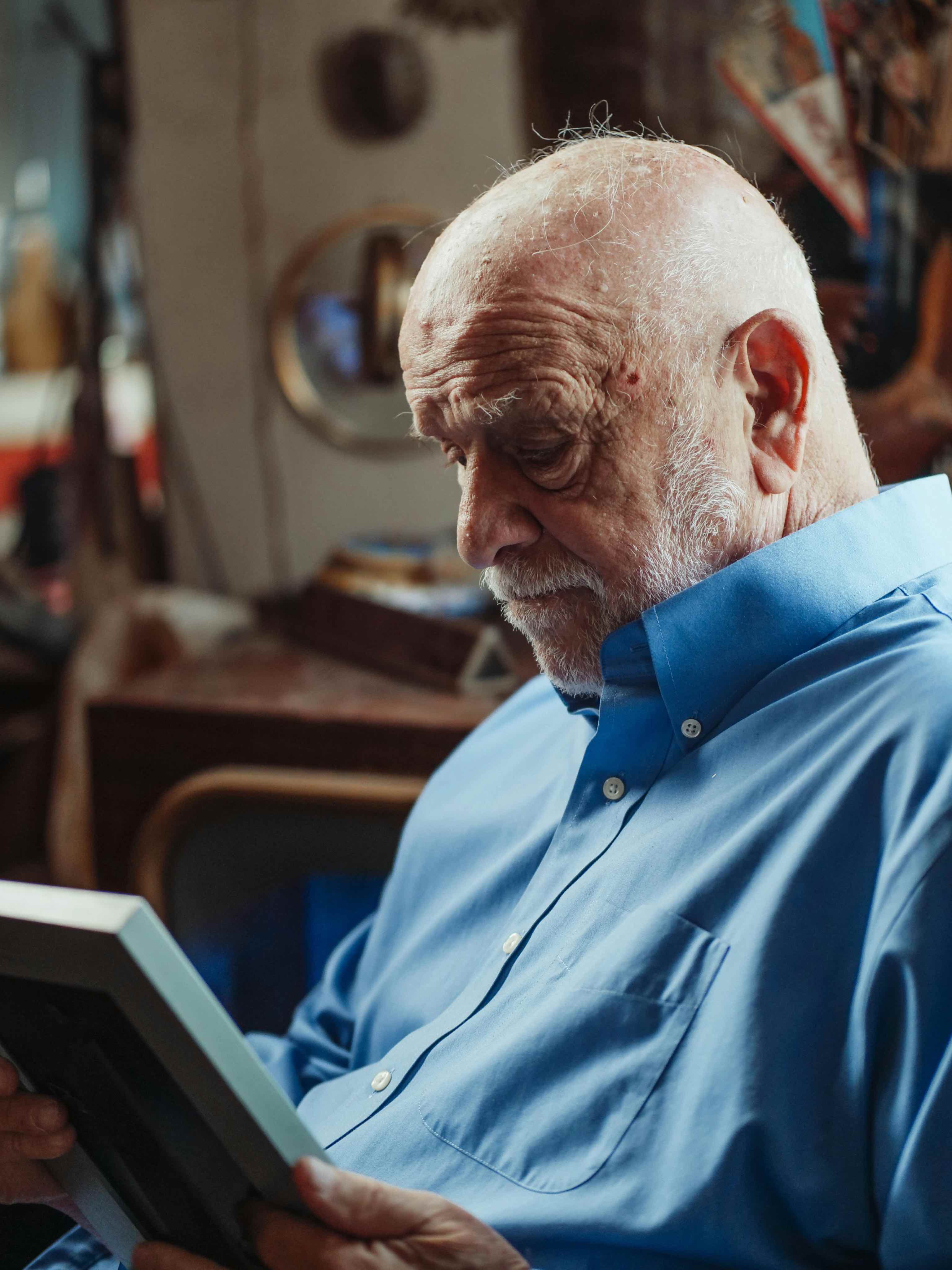
A parent who lives alone is not necessarily lonely. And a parent who is rarely alone can be one of the loneliest people you know. Those two facts sound contradictory, but they sit at the heart of something most of us get wrong about the people we love.
The difference between being alone and being lonely is not about how many people are in the room. It is about whether someone feels genuinely connected to them. Once you understand that distinction, you stop measuring the wrong thing — and you start noticing what actually matters.
Being Alone Is a State. Being Lonely Is a Feeling.
Being alone is simply a circumstance. You are by yourself. For many people, that is not a problem at all — it is a relief.
This is solitude: time on your own, often by choice, that leaves you feeling restored rather than empty. The quiet hour with a cup of tea and the radio on. The garden, the crossword, the long bath, the book no one interrupts. Solitude is where people think, potter, remember, and recover. It is good for us. Plenty of contented older adults guard their alone time fiercely, and they are right to.
Loneliness is a different thing entirely. It is not a circumstance — it is a feeling. Specifically, it is the painful sense that the connection you want and the connection you have do not match. You can feel it for five minutes or for years. And crucially, you can feel it whether or not there is anyone else around.
So when you worry that a parent "is on their own too much", it is worth pausing. Being on their own might be exactly what they want. The real question is a softer one: do they feel close to anyone?
What Loneliness Actually Feels Like
Loneliness rarely announces itself. It is not usually a person sitting in the dark, sad and obvious. More often it is quieter than that.
It can feel like having plenty to say and no one to say it to. Like going days where the only voices you hear are on the television. Like having news — small, ordinary news — and realising there is no one who would really care to hear it. It is the ache of being unwitnessed: of moving through your days without anyone noticing how they go.
And here is the hard part. Most people never say any of this out loud.
Why Loneliness Goes Unsaid
There is a deep stigma around admitting you are lonely. It can feel like confessing a failure — as though loneliness means you are unlovable, or that you have done something wrong, or that you are becoming a burden. For a generation raised not to make a fuss, that admission is almost unthinkable.
So they cover it. "I'm fine." "Don't worry about me." "I keep busy." These are not always the truth. They are often what people say precisely because they don't want to worry you — and because saying the real thing feels too exposing.
This is why loneliness is so easy to miss in someone you love. They are protecting you from it. If you wait for a parent to tell you they are lonely, you may wait a very long time. (Here's how to raise it gently, without making them feel bad.)
How You Can Be Surrounded by People and Still Feel Alone
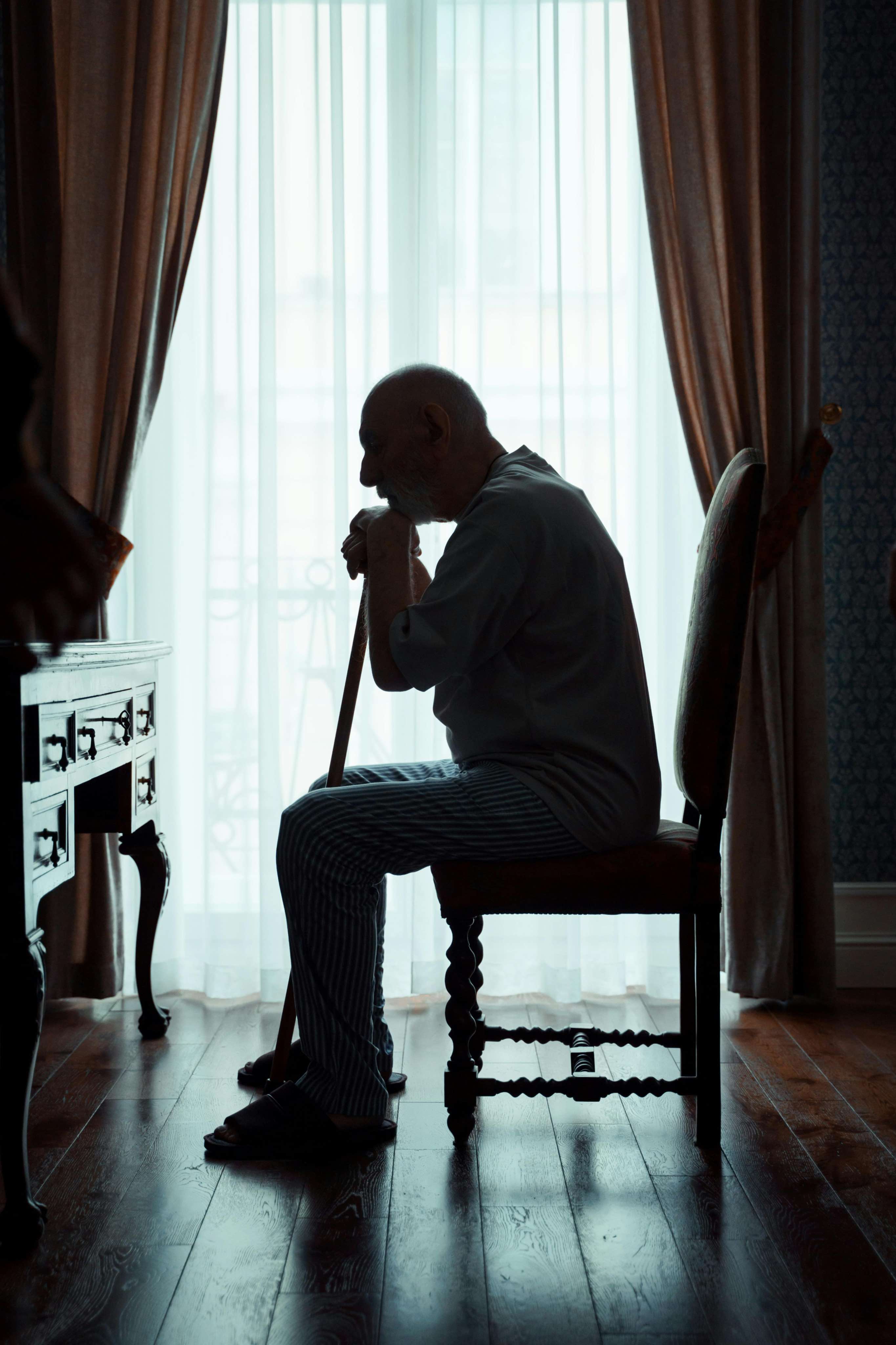
This is the part that surprises people most. We assume loneliness is solved by company. Get them out more, get more people around them, fill the diary — problem fixed.
But loneliness is not cured by proximity. It is cured by connection, and those are not the same thing.
Think of how it feels to sit through a party where you know no one, or a family gathering where the conversation flows around you but never quite to you. There are people everywhere. You are not alone in any literal sense. And yet you feel utterly unseen. That is loneliness in a crowd, and it is real.
The same thing happens in everyday life. A parent might have carers popping in, a neighbour who waves, a weekly trip to the shops where the till assistant knows their name. Plenty of human contact. But contact is not the same as being known. None of those people ask how they slept, or remember the name of their late husband, or want to hear the story again. The interactions are kind but transactional. They fill the day without filling the gap.
Meaningful connection means being known, being remembered, and being genuinely interested in. You can have a full social calendar and almost none of it.
Why Older Adults Are So Vulnerable to This
Here is the thing people get backwards. Older adults are not at greater risk of loneliness because they are alone. They are at risk because their opportunities for meaningful connection quietly disappear, one by one, often without anyone noticing.
Consider what falls away with age. Retirement removes the daily texture of colleagues and small talk. Friends and a partner pass away — and each loss takes a lifetime of shared memory with it. Driving stops, so spontaneous visits stop. Hearing fades, so phone calls get harder. The community thins out. The people who knew them — the ones you didn't have to explain yourself to — become fewer every year.
What's left is often a life with plenty of contact and almost no companionship. The carer comes. The shopping arrives. A child phones on Sunday. But the deep, easy, knowing connection that used to be everywhere has gone quiet. That is not the same as being alone. It is far harder.
Why Consistency Beats Grand Gestures
When we realise someone we love might be lonely, the instinct is to do something big. A special weekend. A surprise visit. A long, heartfelt phone call to make up for lost time.
Those moments are lovely. But they are not what holds loneliness at bay.
Connection is built from frequency, not intensity. A short call every couple of days does more for someone's sense of being held in mind than one magnificent visit a month. It is the regularity that matters — knowing that someone will check in, that the thread won't break, that you are part of somebody's ordinary week rather than their occasional good deed.
Five minutes, often, beats an hour, rarely. The goal is not to dazzle. It is to be a steady, reliable presence — so that the days between are no longer quite so empty.
Where Eva Can Help
The honest difficulty is that consistency is hard. You have work, children, a life, and a finite amount of energy. You can love a parent enormously and still not manage to call every couple of days. The guilt that follows can make the whole thing heavier than it needs to be.
This is part of why we built Eva. Eva is an AI companion who calls your parent on the phone they already use — no app, no new device, no setup. The calls are warm, natural conversations: about their day, their memories, what they've been up to. Eva remembers what they said last time, which means each call builds on the one before, the way real connection does.
She doesn't replace you, and she shouldn't try to. What she does is fill the quiet days between your calls, so your parent isn't going stretches of time without a genuine, interested voice. After each call, you get a short summary and a gentle sense of how they're doing — so you worry less and have something real to talk about when you do ring.
The Bottom Line
Being alone and being lonely are not the same thing. One can be peaceful. The other quietly hurts. Telling them apart is the first step to helping someone you love — because it shifts the question from "how do I get them out more?" to "how do I make sure they feel genuinely connected?"
A parent on their own is not necessarily in trouble. A parent who has slowly lost the people who knew them might be — even if their week looks busy on paper. The good news is that this is not a problem without solutions. Loneliness responds to exactly what it lacks: steady, genuine, interested contact.
You don't have to fix everything. You just have to be a reliable thread — and make sure there are a few more woven in alongside yours. If you'd like to hear what that sounds like, you can try a free demo of Eva and listen to a real conversation for yourself.
Wondering what AI could do for your organisation?
We help care organisations work out what AI can actually do for them, then build it. Start with a conversation.